Andrew Huberman Review: Is Huberman Lab Worth Following?
Program Rating:
0

Andrew Huberman Review: Is Huberman Lab Worth Following?
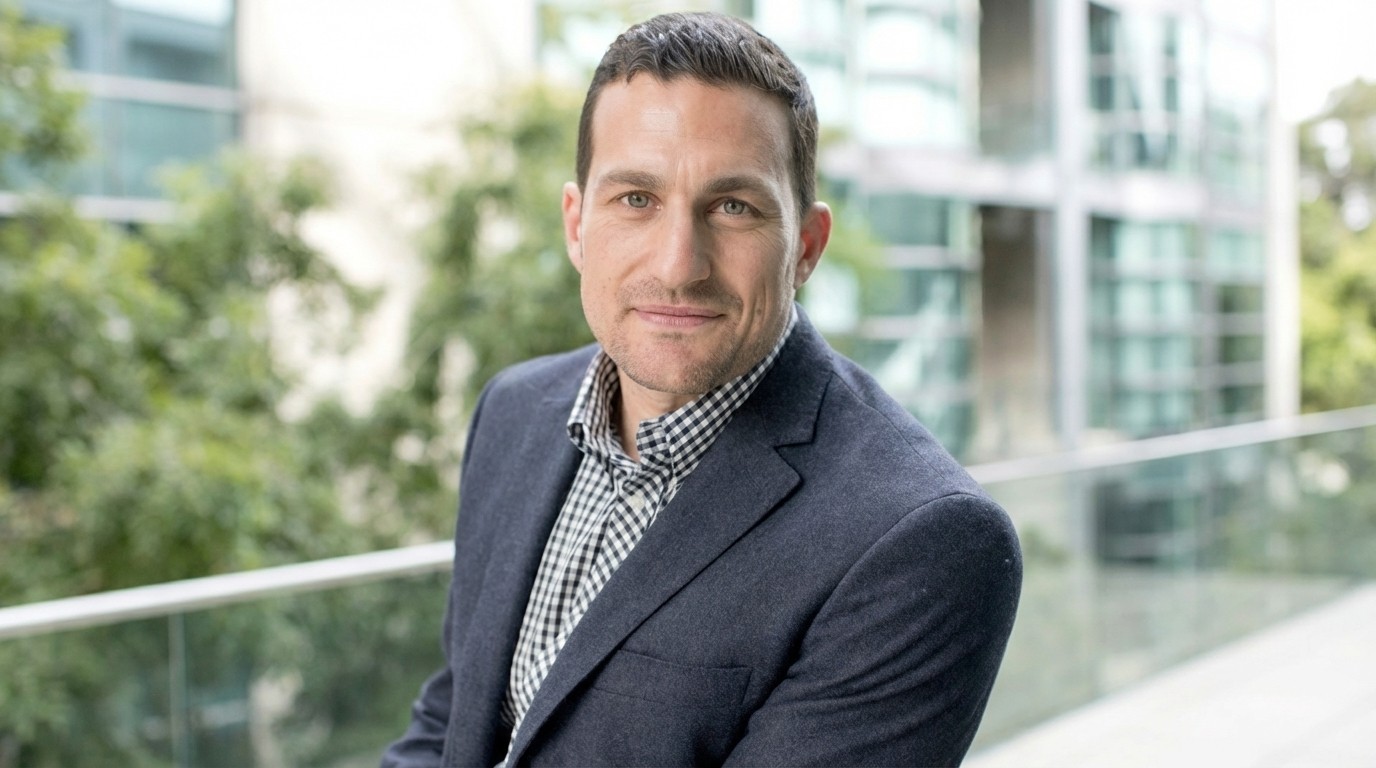
Andrew Huberman is the most-followed health and science communicator in the world right now — a Stanford neuroscientist whose podcast hit the number one global position and whose weekly protocols for sleep, focus, performance, hormones, and mental health have reached tens of millions of followers. He is also the subject of a documented New York Magazine exposé on his personal life, sustained criticism from research scientists on his supplement recommendations, and a Momentous supplement partnership that has generated documented consumer complaints. This review covers the full documented record: his credentials, what Huberman Lab actually delivers, where the science holds up and where critics say it doesn't, and what the personal life controversy means — and doesn't mean — for the value of his work.
Who Is Andrew Huberman?
Huberman holds a BA from UC Santa Barbara, an MA from UC Berkeley, and a PhD in neuroscience from UC Davis — where he received the Allan G. Marr Prize for Best PhD Dissertation. He conducted postdoctoral research at Stanford from 2005 to 2010 on a Helen Hay Whitney Postdoctoral Fellowship — one of the most competitive postdoctoral fellowships in biomedical science. He held his first faculty position at UC San Diego from 2011 to 2015 before joining Stanford University School of Medicine in 2016 as a tenured professor, where he currently directs the Huberman Laboratory.
His academic appointment is a tenured associate professorship in the Department of Neurobiology and, by courtesy, in Psychiatry and Behavioral Sciences at Stanford School of Medicine. His laboratory's published research has appeared in Nature, Cell, Science, and Neuron — the four highest-tier journals in biological science. He serves on the editorial board of the Journal of Neuroscience, Cell Reports, Current Biology, Journal of Comparative Neurology, Current Opinion in Neurobiology, and Neural Development. His primary research domain is visual neuroscience — specifically the neuroscience of the visual system, brain plasticity, and stress mechanisms.
Huberman Lab launched in January 2021 and became the number one health podcast globally. He is consistent and explicit in his public communications that he is not a medical doctor: "I'm a professor. I'm professing a number of things that you can decide for yourselves."
What Does Huberman Lab Include?
Huberman's consumer platform is primarily free and content-based, with a commercial layer in supplement partnerships.
Huberman Lab Podcast: Free, weekly multi-hour episodes covering sleep, focus, testosterone, estrogen, stress, immune function, neuroplasticity, cold exposure, light exposure, exercise, nutrition, psychedelics, and dozens of other health and performance topics. The podcast is the core product — and it is free.
Neural Network Newsletter: A free weekly newsletter summarizing protocols and key insights from each episode, available at HubermanLab.com at no cost.
Momentous Supplement Partnership: Huberman's primary commercial supplement partnership — a line of single-ingredient supplements co-developed with Momentous, positioned as clean-label, third-party tested products. Products include Tongkat Ali (400mg), Fadogia Agrestis (400–600mg), Zinc, Boron, Omega-3s, Magnesium L-Threonate, Alpha-GPC, and Apigenin — aligned with his publicly disclosed supplement stack.
AG1 (Athletic Greens) Partnership: Huberman is one of Athletic Greens' most prominent brand partners, promoting AG1 as a foundational daily supplement.
Full Supplement Stack (25+ products): Huberman's publicly disclosed supplement routine includes over 25 individual products daily — covering foundational nutrition, testosterone support, sleep optimization (Magnesium L-Threonate, Apigenin, Theanine), cognitive performance (Alpha-GPC, Omega-3s), and longevity (NMN/NR, Resveratrol).
No paid program, course, or coaching product exists. Huberman's commercial model is entirely sponsor and supplement-partnership based.
What the Science Actually Shows
The evidence quality question is the most important substantive issue in evaluating Huberman Lab — and it requires honesty in both directions.
His core domains — visual neuroscience, neuroplasticity, sleep physiology, stress and the autonomic nervous system, light exposure and circadian biology — are areas where he has genuine primary research training and where his explanations of the published literature are consistently well-sourced and accurate. Experts in cognitive science who have evaluated his content on Reddit's r/cogsci affirm that his neuroscience basics are credible and his ability to translate complex physiology into actionable protocols is genuinely valuable. His protocols for morning light exposure, cold exposure, physiological sighs for acute stress management, and sleep hygiene are grounded in published research he understands firsthand.
Where critics identify overstep: Vox, Slate, McGill University's Office for Science and Society, and multiple academic researchers have documented a specific pattern. Huberman regularly presents protocols and supplement recommendations in topic areas well outside his primary expertise — hormones, immunology, nutrition, psychedelics, complex metabolic health — with the same confident authority he applies to visual neuroscience, using language like "science-backed" and "peer-reviewed evidence" while the underlying studies are often animal models, small human trials, or observational data with limited clinical significance.
Tim Caulfield, Professor of Health Law and Science Policy at the University of Alberta, told Vox that while Huberman often does an excellent job discussing the science, "the overall message may be less supported by the science than it appears." A Substack analysis by neuroscience and psychology researchers describes the concern as "supplements-on-the-brain" — a legitimately credentialed visual neuroscientist transformed into an authority on 25+ supplements, many of which lack robust human clinical trial evidence.
The Fadogia Agrestis recommendation specifically has drawn documentation. Fadogia is a Nigerian shrub whose testosterone-boosting effects have been studied almost exclusively in rats, at doses that caused testicular toxicity in animal models. Multiple researchers have publicly flagged the absence of human safety data for the doses Huberman recommends.
Complaints and Concerns
The New York Magazine Exposé
On March 25, 2024, New York Magazine published "Andrew Huberman's Mechanisms of Control" by Kerry Howley — a 10,000+ word investigative account alleging that Huberman had been simultaneously involved with at least six women, several of whom believed they were in exclusive relationships with him, and that his behavior included manipulation, controlling conduct, emotional volatility, and use of his wellness expertise to influence partners' behavior. The article quotes multiple named and pseudonymous sources, including a woman identified as "Sarah" who described multi-day episodes of rage.
Huberman's representatives denied many of the specific allegations. Huberman himself chose not to address the exposé publicly or directly — managing the response through PR while redirecting audience attention through new podcast content. His audience responded with a documented split: a significant portion expressed diminished trust specifically in response to his non-transparent handling; another portion maintained that personal conduct is separable from content quality.
The calibrated account: these are allegations reported by a credentialed journalist at a major publication, sourced from multiple accounts, and not legally refuted through any documented defamation action. Huberman has not been charged with any crime. The conduct alleged, if accurate, describes serious interpersonal manipulation — not fraud, clinical misconduct, or criminal activity. The relevant question for prospective followers is whether the values he publicly espouses — discipline, self-optimization, transparency — align with the conduct documented in the reporting.
The Momentous Supplement Complaints
Trustpilot reviews of Momentous document a specific recurring complaint: unauthorized subscription enrollment, with customers reporting one-time purchases converted to ongoing subscriptions without explicit consent. One review states directly: "To my surprise my one time order had turned into a subscription without my consent." Additional complaints about the Tongkat Ali product include inconsistent capsule sizing, inconsistent fill weight, reported allergic reactions, and characterizations as a low-quality extract relative to its premium positioning and price.
The Supplement Evidence Quality Gap
McGill University's Office for Science and Society published a detailed analysis titled "Andrew Huberman Has Supplements on the Brain," documenting that a significant portion of his supplement recommendations rest on animal model data, small pilot trials, or in vitro studies rather than robust human clinical trials — while being presented with language implying stronger evidence than the underlying studies support. A Rethinking Wellness Substack analysis documented specific supplements in his stack as "largely untested and unregulated, and the existing evidence is of low or very low quality."
The Scope Overreach Pattern
Multiple independent researchers have documented that Huberman's podcast regularly ventures outside his core domain of visual neuroscience — into hormones, immunology, gut health, complex metabolic disease, and pharmacology — with a presentation style that implies primary research authority in domains where he is functioning as a science communicator. The Vox analysis is the most thorough documentation of this pattern, quoting immunologist and science communicator Andrea Love: "some episodes [are] sleight of hand."
Cost Breakdown
Huberman Lab Podcast: Free
Neural Network Newsletter: Free
Momentous supplements (Huberman line): $25–$65 per individual product; full stack estimated $200–$400/month
AG1 (Athletic Greens): $79–$99/month subscription
Full 25+ supplement stack: $300–$500+/month depending on brands and cycling
No paid program, course, or coaching product
Pros and Cons
Pros:
Tenured Stanford associate professor, published in Nature, Cell, Science, and Neuron — the most credentialed academic neuroscientist hosting a major consumer health podcast
Helen Hay Whitney Postdoctoral Fellowship — one of the most competitive postdoctoral awards in biomedical science
Core content in visual neuroscience, neuroplasticity, sleep physiology, circadian biology, and stress physiology is expert-level and generally well-sourced
Podcast and newsletter are completely free — no paid program or coaching upsell; the entire information ecosystem is freely accessible
Protocols for morning light exposure, physiological sighs, cold exposure, and sleep hygiene are grounded in published research and actionable
Largest free science-based health education platform in the world by audience — genuine public health contribution through accessible science communication
Cons:
New York Magazine 2024 exposé documenting allegations of simultaneous deceptive relationships with multiple women, manipulative conduct, and emotional volatility — not legally adjudicated but sourced from multiple accounts at a credentialed publication
Non-transparent PR-managed response to the exposé — without personal address — documented as diminishing trust in a significant portion of his community
Supplement recommendations frequently venture beyond robust human clinical trial evidence into animal model studies, small pilot trials, and in vitro data — documented by McGill OSS, Vox, Slate, and academic researchers
Fadogia Agrestis recommendation specifically flagged by multiple researchers for absence of human safety data and testicular toxicity signals in animal models at relevant doses
Momentous Trustpilot complaints: unauthorized subscription enrollment and inconsistent product quality documented
AG1 partnership — promoting a $79–$99/month green powder as a "foundational" supplement while generating significant affiliate revenue creates a commercial incentive structure that colors his nutritional recommendations
Podcast addresses health optimization at the protocol and supplement layer; does not address cellular-level neurotoxin accumulation and membrane-level inflammation that drive chronic illness at the root
About

Independent reviews of online health coaching programs — no paid placements, no agendas.
Explore Topics





Stay Up To Date!
Get new health program reviews free.
We publish new reviews weekly. No spam. Unsubscribe anytime.
Spotlight